
Central Region · prices verified 2026-06-09
Things to do in Cape Coast & Elmina, Ghana
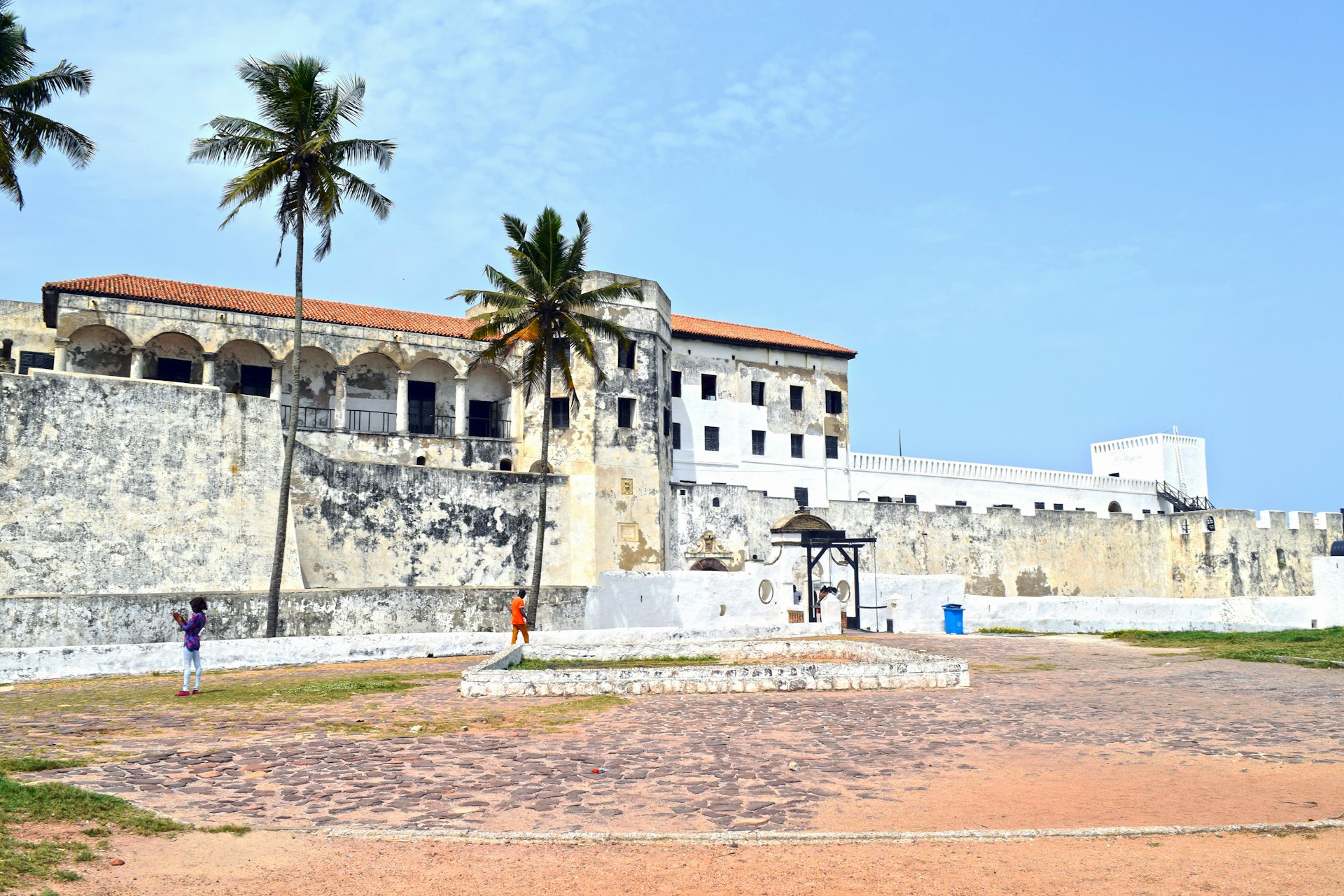
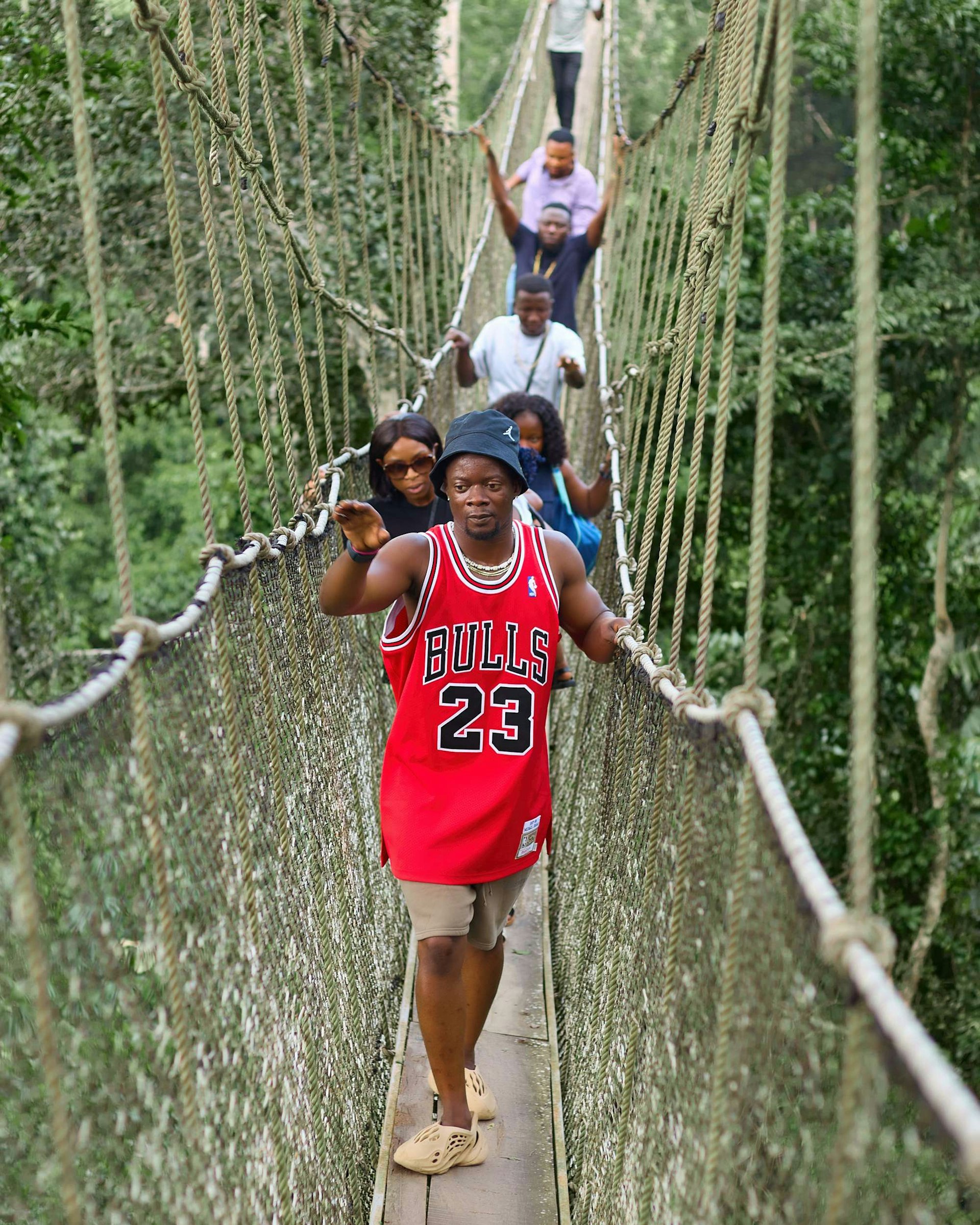
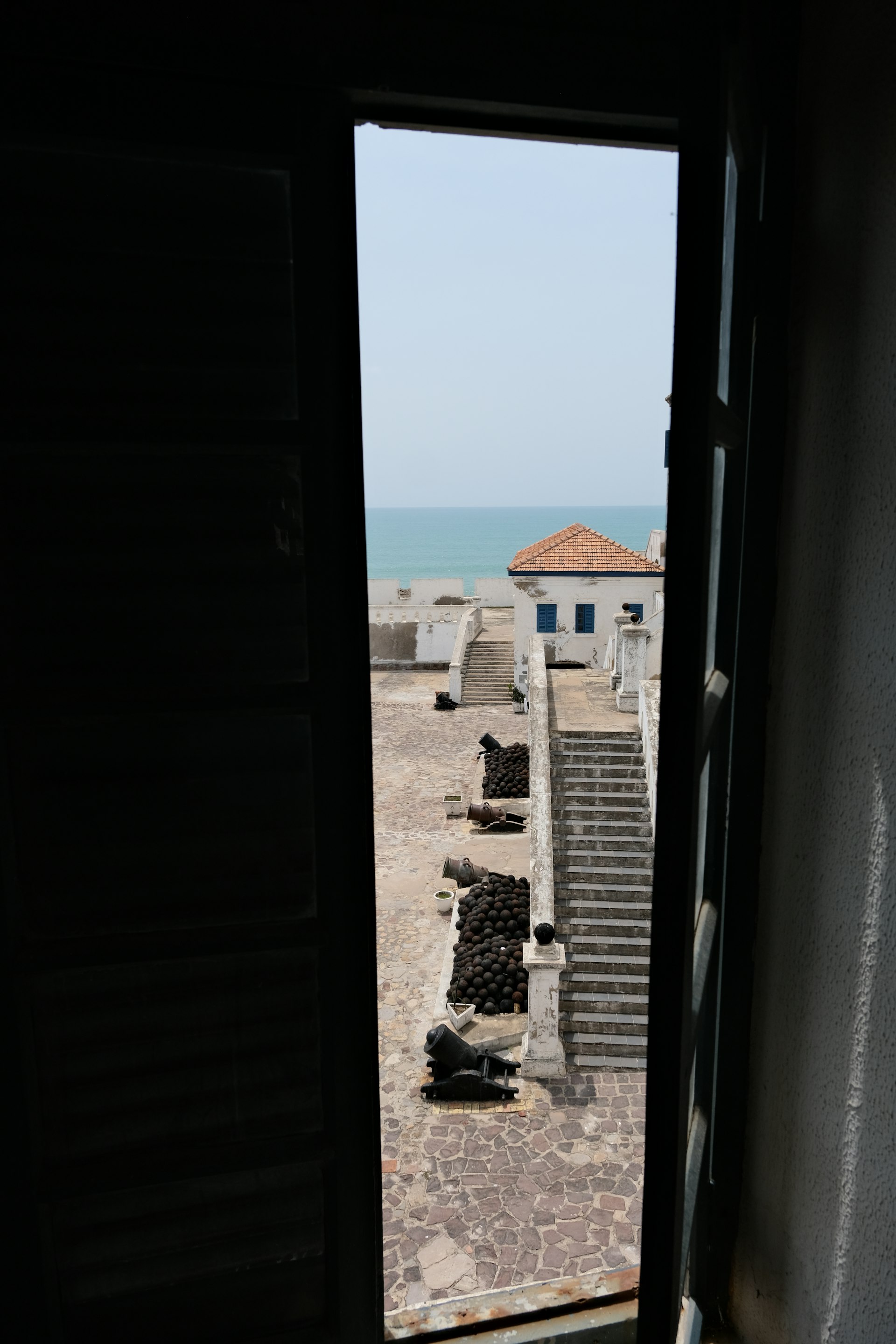
Cape Coast is the emotional centre of any Ghana trip: the UNESCO-listed slave castles of Cape Coast and Elmina hold the history of the Atlantic slave trade with devastating directness, while Kakum National Park's canopy walkway swings you through rainforest treetops an hour away.
For travellers of the African diaspora this stretch of coast (the castle dungeons, the Door of No Return, the Assin Manso Slave River) is often the most important journey in Ghana. Local guides matter enormously here; the history deserves more than a placard.
The essentials
1. Cape Coast Castle
The vast UNESCO World Heritage fortress at the centre of the Atlantic slave trade. The dungeon tour and the Door of No Return are as heavy as travel gets, and essential. Guided tours are included with entry and run through the day.
Open daily ~9:00–16:30; entry fees are under revision by the museums board (previously around GH₵80 for foreign adults incl. tour); confirm at the gate
2. Elmina Castle (St George's)
Built by the Portuguese in 1482, the oldest European building in sub-Saharan Africa, overlooking a technicolour fishing harbour. Quieter than Cape Coast Castle and at least as affecting; the town's fish market and stilted fishing fleet deserve an hour on their own.
3. Kakum National Park canopy walkway
Seven rope bridges strung 30+ metres up in the rainforest canopy, Ghana's most famous outdoor attraction. Go at opening time to beat the crowds and catch the birdlife; guided nature walks below the canopy are underrated.
Canopy walk GH₵130 foreign adults / GH₵40 residents + ~GH₵35 park entry (as of Jan 2026)
4. Assin Manso Ancestral Slave River (Donkor Nsuo)
The 'last bath' site where enslaved people were washed before the final march to the coast, now a memorial and the reburial site of two returned ancestors. Often paired with the castles on heritage itineraries.
5. PANAFEST & Emancipation Day
Every two years (odd-numbered years, late July–early August) Cape Coast and Elmina host the Pan-African Historical Theatre Festival: theatre, durbars, vigils and the Reverential Night at the castle. Emancipation Day itself is marked annually on 1 August. If your trip can hit a PANAFEST year (next: 2027), plan around it.
Go beyond Cape Coast & Elmina
Anomabo & the beach forts
The coast between Accra and Cape Coast is dotted with smaller forts and quiet beach lodges; Anomabo makes a relaxed overnight stop.
Kumasi (Ashanti Region)
From Cape Coast, many travellers loop north to the Ashanti capital for Manhyia Palace and the kente villages, about 4–5 hours by road. See our Kumasi guide.
Accra
The capital's markets, monuments and nightlife are 3–4 hours east. See our Accra guide.
When to go
October–March is driest and best for the canopy walk. PANAFEST (biennial, odd-numbered years, late July–early August) and the annual Emancipation Day on 1 August are the cultural high points. December brings the diaspora-season crowds from Accra on day trips; start castle visits early.
Frequently asked questions
How much does Cape Coast Castle cost to visit?
Entry has historically been around GH₵80 (roughly $7) for foreign adults including the guided tour, but the Ghana Museums & Monuments Board announced a fee revision in 2026, so confirm current rates at the gate or via GMMB before you go. Tours run throughout the day.
Can you do Cape Coast as a day trip from Accra?
Yes. It's 3–4 hours each way, so expect a 12-hour day to cover Cape Coast Castle, Elmina and Kakum. An overnight stay is far better: you'll catch Kakum at opening time and the castles without the midday rush.
Cape Coast Castle or Elmina Castle: which should I visit?
Both if you can (they're 30 minutes apart). Cape Coast Castle has the larger museum and the Door of No Return; Elmina is older (1482), quieter, and its fishing-harbour setting stays with you. If you must choose one, most heritage travellers choose Cape Coast Castle.
Is the Kakum canopy walk scary?
The bridges sway and you're 30+ metres up, so it's a thrill, but there are handrails, netting, and a shorter loop option. Children regularly do it. Anyone with serious vertigo can take the ground-level nature walk instead.